

Experiencing urinary discomfort, burning, frequent urges, or unusual discharge can raise concerns about both urinary tract infections (UTIs) and sexually transmitted diseases (STDs/STIs). Because these conditions share overlapping symptoms, it’s important to identify the most effective testing methods to distinguish between them. Accurate diagnosis ensures timely treatment, prevents complications, and protects long-term urinary and reproductive health. This guide explores the best tests to rule out both UTI and STD, how they work, and what to expect during the process.
Table of Contents
- Why Accurate Testing Matters
- Symptoms That Overlap Between UTIs and STDs
- Common Misconceptions About Testing
- Best Tests for Ruling Out UTIs
- Best Tests for Ruling Out STDs
- Combined Testing Approaches
- When to Seek Medical Attention
- Understanding Test Results
- Prevention and Healthy Practices
- Final Thoughts
1. Why Accurate Testing Matters
Urinary tract infections (UTIs) and sexually transmitted diseases (STDs) often share similar symptoms, including painful or burning urination, frequent urges to urinate, cloudy or foul-smelling urine, and unusual discharge or irritation. Because these symptoms overlap, relying solely on how you feel can lead to misdiagnosis and ineffective treatment. Accurate testing is essential to identify the underlying cause, ensure proper care, and prevent potential complications such as kidney infections or untreated STDs.
2. Symptoms That Overlap Between UTIs and STDs
Many urinary and genital symptoms can indicate either a UTI or an STD. Discomfort or burning during urination, cloudy or foul-smelling urine, frequent urination or urgency, mild lower abdominal or pelvic pain, and irritation, redness, or swelling in sensitive areas can all be signs of either condition. Since these symptoms may result from multiple causes, professional testing remains the most reliable way to distinguish between UTIs and STDs and to guide effective treatment.
3. Common Misconceptions About Testing
Several misconceptions surround UTI and STD testing. Some people assume that a simple urine test can detect all infections, that mild symptoms will resolve on their own, or that STDs always cause visible sores or discharge. In reality, certain STDs can remain asymptomatic, and UTIs may temporarily improve without treatment, masking the underlying problem. Professional testing ensures accurate diagnosis, early intervention, and the most appropriate treatment.
4. Best Tests for Ruling Out UTIs
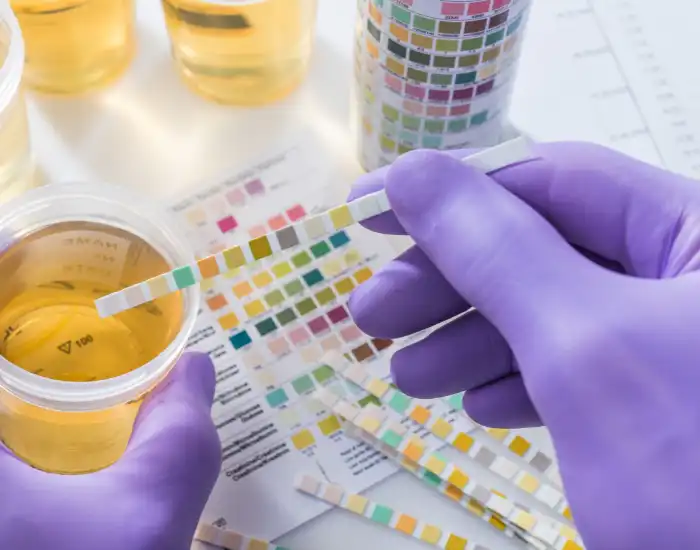
Testing for UTIs typically involves several approaches. Urine dipstick tests can detect white blood cells, nitrites, and proteins, all of which indicate infection. Urine microscopy identifies bacteria or cells associated with urinary tract infections, while urine cultures determine the exact bacterial strain, guiding the selection of effective antibiotics. These tests are highly reliable for confirming or ruling out bacterial urinary infections.
5. Best Tests for Ruling Out STDs
STD testing varies depending on the suspected infection. Urine tests can detect bacterial STDs such as chlamydia and gonorrhea, while swab tests collect samples from the urethra or genital areas for bacterial or viral detection. Blood tests are used to identify viral infections like HIV, herpes, or hepatitis. Rapid tests provide quick results for certain infections but often require confirmation. Because some STDs can be asymptomatic, testing is important even if urinary symptoms are mild or intermittent.
6. Combined Testing Approaches
To rule out both UTIs and STDs efficiently, healthcare providers often use a combination of tests. Comprehensive urine testing can screen for bacterial UTIs and certain bacterial STDs, while swab and blood panels detect additional infections not covered by urine tests. Symptom-based testing, tailored to a patient’s specific signs, risk factors, and sexual history, ensures that all potential causes are evaluated. This approach provides an accurate diagnosis, peace of mind, and effective care.
7. When to Seek Medical Attention
You should consult a healthcare provider if urinary discomfort or burning persists, if unusual discharge or irritation occurs, or if blood appears in the urine. Other warning signs include fever, chills, nausea, or symptoms that do not improve with home care. Early medical consultation ensures timely testing, precise diagnosis, and effective treatment, reducing the risk of complications and supporting long-term urinary and reproductive health.
8. Understanding Test Results
Interpreting results helps determine next steps:
- Positive UTI Test: Antibiotics may be prescribed to eliminate infection
- Positive STD Test: Appropriate treatment, such as antibiotics or antiviral therapy, will be recommended
- Negative Results: Persistent symptoms may require additional testing or evaluation for other conditions
Follow-up testing ensures the infection has fully cleared and prevents recurrence.
9. Prevention and Healthy Practices
Preventing UTIs and STDs involves consistent habits:
- Hydration: Flush out bacteria from the urinary tract
- Urinate Regularly: Avoid holding urine for long periods
- Good Hygiene: Proper cleaning habits reduce bacterial exposure
- Safe Practices: Follow recommended precautions to reduce STD risk
- Routine Screening: Early detection prevents complications and transmission
These practices support urinary and reproductive health over the long term.
10. Final Thoughts
When urinary symptoms appear, distinguishing between a UTI and an STD is essential for proper care. Comprehensive testing—including urine analysis, swabs, and blood tests—is the most reliable way to rule out both conditions. Timely evaluation, accurate diagnosis, and preventive practices ensure effective treatment, prevent complications, and support long-term health.
If you experience urinary discomfort or unusual symptoms, consult a healthcare provider for comprehensive testing. Auspicious Lab offers confidential services to rule out both UTIs and STDs, providing accurate results and guidance for appropriate care. Early testing ensures better health outcomes and peace of mind.
Disclaimer: This content is intended for informational purposes only and should not replace professional medical advice, diagnosis, or treatment. Always consult a qualified healthcare provider regarding urinary discomfort, UTIs, or STD testing.