

Have you recently noticed that foods taste bland or that familiar scents don’t register like they used to? Experiencing a loss of taste or smell can be confusing and concerning, especially when it happens suddenly. Many people wonder whether it is just temporary, related to a mild cold, or a sign of something more serious like an infection. Questions often arise: Should I see a doctor immediately? Is this something that requires testing? Could it be COVID-19?
Losing the ability to taste or smell can disrupt daily life, affect appetite, and even impact safety—like noticing smoke or spoiled food. Understanding the possible causes and knowing where to seek help can provide clarity and reassurance.
What Causes Loss of Taste or Smell?
A loss of taste or smell occurs when the pathways between your nose, mouth, and brain are disrupted. Several common factors can be involved:
-
Viral infections – Many viral illnesses, including COVID-19 and influenza, can temporarily impair taste and smell.
-
Allergies and sinus conditions – Nasal congestion or sinus inflammation can block scent receptors.
-
Neurological conditions – Certain conditions affecting the brain or nerves may influence smell and taste perception.
-
Medications or treatments – Some prescription drugs, chemotherapy, or radiation therapy may affect these senses.
-
Aging – Taste and smell naturally decline with age.
For many, the change may be subtle, while others experience a sudden and complete loss. Tracking the timing and associated symptoms helps healthcare providers determine the underlying cause.
When Loss of Taste or Smell Requires Medical Attention
Although temporary taste and smell changes can occur with common colds, certain scenarios call for prompt attention:
-
Sudden, unexplained loss of taste or smell, especially without nasal congestion.
-
Symptoms lasting more than two weeks without improvement.
-
Accompanying fever, shortness of breath, or persistent cough.
-
Difficulty eating or drinking due to taste changes.
-
Signs of neurological symptoms, such as headaches, dizziness, or facial numbness.
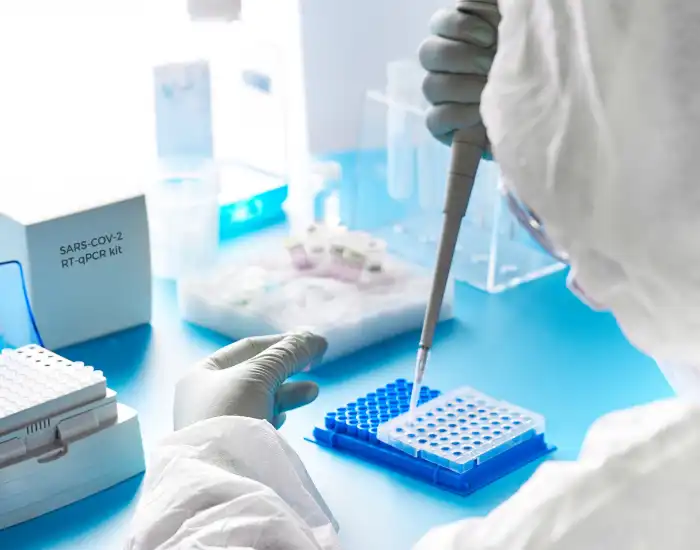
Since loss of taste or smell is a recognized symptom of COVID-19, testing is often recommended if exposure is suspected. Searching online for lab near me, PCR COVID testing near me, or Antigen Test near me can help locate convenient testing centers. For residents in Houston, PCR test Houston options provide accurate and timely results.
How Loss of Taste or Smell is Evaluated
Evaluation starts with a detailed discussion of your symptoms and medical history. Healthcare providers or testing labs may follow these steps:
- Symptom assessment – Determining when the change began, its severity, and whether it is partial or complete.
- Medical history review – Checking for allergies, recent infections, medications, and neurological conditions.
- Diagnostic testing – For suspected viral causes like COVID-19, labs provide options including PCR and antigen tests.
- Physical examination – Inspecting the nasal passages, throat, and sinuses for congestion or abnormalities.
In a laboratory setting, PCR and antigen tests help identify viral infections that may contribute to taste and smell loss. Many people search for PCR COVID testing near me or Antigen Test near me to ensure timely testing without visiting a hospital.
Management and Care Approaches
Addressing loss of taste or smell depends on the underlying cause. For viral infections:
-
Rest and hydration – Supporting the immune system can help recovery.
-
Managing congestion – Saline rinses or over-the-counter remedies may relieve nasal blockage.
-
Medication review – Adjusting or switching medications under provider guidance may improve taste and smell.
-
Monitoring recovery – Many viral-related changes resolve in weeks, but persistent loss may require specialist referral.
If testing confirms COVID-19, following public health guidelines, isolating as needed, and monitoring for additional symptoms are critical steps.
Prevention and Risk Reduction
Although not all causes of loss of taste or smell are preventable, several strategies may lower risk:
-
Practice good hand hygiene – Reduces viral exposure.
-
Stay current on vaccinations – Including flu and COVID-19 vaccines.
-
Avoid smoking and excessive alcohol – Both can impair taste and smell.
-
Manage allergies – Treating chronic sinus issues helps maintain normal olfactory function.
Regular awareness of sudden changes in taste or smell can prompt earlier testing and management, improving overall outcomes.
Who Can Help: Lab Services and Specialists
For individuals seeking clarity, labs and testing centers are often the first step:
-
Searching lab near me or PCR test Houston provides access to timely and reliable testing.
-
PCR COVID testing near me identifies active infection, while Antigen Test near me offers rapid results.
If loss persists, consulting a medical specialist may be appropriate:
-
ENT (Ear, Nose, Throat) specialists – Evaluate chronic or unexplained taste and smell disorders.
-
Neurologists – Investigate underlying neurological causes if initial tests are negative.
-
Primary care follow-up – Helps coordinate testing, referrals, and ongoing symptom monitoring.
Supporting Recovery and Daily Life
While recovery timelines vary, these tips can support patients experiencing loss of taste or smell:
-
Focus on nutrition and hydration – Even if foods taste bland, maintaining intake is essential.
-
Try strongly flavored foods – Herbs, spices, and citrus may enhance taste perception.
-
Track symptom changes – Keeping a journal helps providers evaluate progress.
-
Be patient – Recovery can take weeks, sometimes months, depending on the cause.
Conclusion
A loss of taste or smell can be disorienting, but timely evaluation and testing often provide reassurance and guidance. Viral infections, particularly COVID-19, remain a leading cause, making laboratory testing essential. Searching for lab near me connects patients to reliable testing options. Most individuals experience gradual recovery, and careful monitoring ensures that any underlying conditions are addressed promptly.
Understanding the causes, seeking appropriate testing, and following expert guidance supports recovery and peace of mind.
Medical Disclaimer: This content is for educational purposes only and does not replace professional medical advice, diagnosis, or treatment. Always seek the guidance of a qualified healthcare provider regarding any medical condition or testing needs.