

When Lower Abdominal Discomfort Is Hard to Explain
Many people experience lower abdominal discomfort, yet they often struggle to pinpoint the cause. The sensation can range from pressure and fullness to dull aching or intermittent cramping. Because this area contains several organs, determining the exact source can feel confusing. Some individuals choose to wait and see if the discomfort passes, while others immediately search for a lab near me
to find answers faster.
Lower abdominal discomfort may stem from the urinary, digestive, or reproductive systems. In many cases, lab testing quickly identifies or rules out infections and other underlying medical issues. By understanding what this symptom could indicate and knowing when to test, people can make informed healthcare decisions with more confidence and less stress.
Understanding Lower Abdominal Discomfort: What Is Happening in the Body?
The lower abdomen is the area below the belly button and above the pelvic bones. This region contains:
-
Bladder
-
Intestines
-
Reproductive organs
-
Blood vessels and nerves
Lower abdominal discomfort happens when inflammation, infection, pressure, or organ irritation occurs in this region.
The discomfort may feel like:
-
Pressure or heaviness
-
Cramping or pulling sensation
-
Sharp or stabbing pain
-
Persistent dull ache
If discomfort appears along with urinary symptoms, many people consider testing options such as UTI in Houston Texas to rule out infection early.
Common Medical Reasons for Lower Abdominal Discomfort
Urinary Tract Infections (UTIs)
UTIs are a frequent cause of lower abdominal discomfort, especially when the bladder is inflamed. When infection is suspected, testing through services such as UTI in Houston Texas can help confirm whether bacteria are present.
Bladder Inflammation or Sensitivity
Sometimes lower abdominal discomfort happens without infection. The bladder lining can become sensitive or irritated, leading to pressure or discomfort.
Digestive Causes
Digestive issues can cause lower abdominal discomfort because intestines are located in the same region. Common digestive causes include:
-
Constipation
-
Gas buildup
-
Intestinal inflammation
-
Food sensitivities
Reproductive System Causes
For women, reproductive system conditions can sometimes contribute to lower abdominal discomfort. These may include hormonal cycle changes or benign structural conditions.
Why Lab Testing Matters for Lower Abdominal Discomfort
Symptoms alone cannot always identify the cause of lower abdominal discomfort. Lab testing provides objective data that helps narrow down possibilities.
Testing can help identify:
-
Bacterial infections
-
Inflammation markers
-
Blood or protein in urine
-
Chemical imbalances
Many individuals begin by searching for a reliable lab near me to get quick and accurate results.
Some people researching urinary symptoms may also read educational comparisons between infections, such as understanding differences between UTI or STD, although lab testing is required for diagnosis.
Types of Lab Tests That May Be Recommended
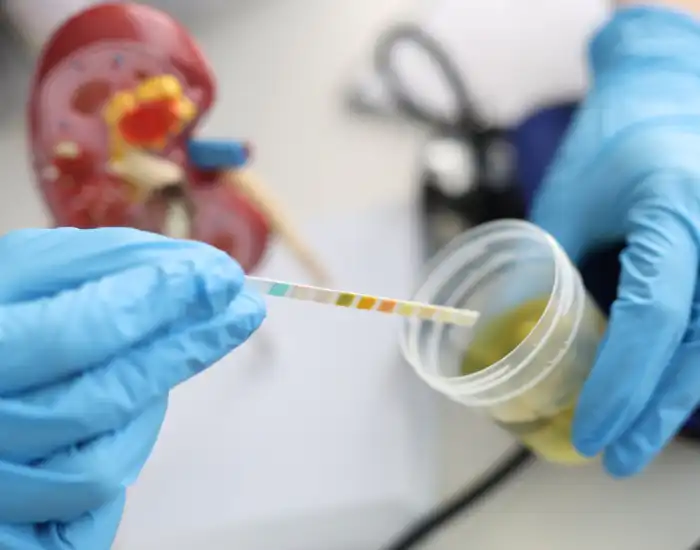
Urinalysis
This test evaluates urine for infection markers, blood, and inflammation indicators.
Urine Culture
Identifies specific bacteria if infection is present.
Toxicology Screening (If Clinically Relevant)
Certain medications or substances can contribute to abdominal or urinary symptoms. In those cases, Urine Toxicology Screening near me may provide additional clinical insight.
When Lower Abdominal Discomfort Needs Prompt Testing
You should consider lab testing sooner if lower abdominal discomfort comes with any of the following warning signs:
-
Fever
-
Pain during urination
-
Blood in urine
-
Persistent nausea
-
Severe or worsening pain
-
Symptoms that last for several days
Acting quickly in these situations can make a real difference. Early testing helps identify the underlying cause before it worsens, prevents potential complications, and allows healthcare providers to guide treatment decisions more efficiently. By addressing symptoms promptly, you can gain clarity, start appropriate care sooner, and reduce unnecessary stress about your health.
How Lower Abdominal Discomfort Is Usually Managed After Testing
Management depends on lab results and confirmed causes.
If Infection Is Found
Treatment typically includes targeted antibiotics based on lab results.
If No Infection Is Found
Further evaluation may focus on digestive or reproductive causes.
Testing first helps ensure treatment is directed toward the correct cause.
Who Typically Helps Manage Lower Abdominal Discomfort?
This platform focuses on diagnostic testing. Lab results help guide medical providers in treatment planning.
After testing, results may be reviewed by:
-
Medical providers
-
Gastrointestinal specialists if digestive causes are suspected
-
Urology or gynecology specialists depending on findings
Many individuals start with lab testing when experiencing lower abdominal discomfort because symptoms alone may not identify the exact cause.
How Early Testing Helps Prevent Complications
Ignoring persistent lower abdominal discomfort may allow infections or inflammation to worsen.
Early testing can help:
-
Detect infection earlier
-
Prevent kidney or bladder complications
-
Support faster symptom relief
-
Reduce risk of chronic discomfort
-
Provide peace of mind
Prevention Habits That Support Lower Abdominal Health
Although not all causes can be prevented, certain habits help support urinary and abdominal health:
-
Staying hydrated
-
Maintaining good hygiene
-
Avoiding excessive caffeine intake
-
Monitoring medication side effects
-
Maintaining regular bowel habits
If symptoms appear despite prevention efforts, testing remains an important next step.
When Repeat Testing May Be Helpful
Repeat testing may be recommended if lower abdominal discomfort:
-
Returns after treatment
-
Happens frequently
-
Never fully resolves
-
Appears with new urinary symptoms
Many individuals rely on a trusted lab near me for convenient follow up testing.
Final Takeaway: Understanding Lower Abdominal Discomfort Early Matters
Lower abdominal discomfort is a common experience, but it rarely has a single cause. The symptom can originate from the urinary system, digestive system, or reproductive organs, and often these causes overlap. This overlap can make it difficult to know what is truly happening, which is why lab testing plays a crucial role. By analyzing urine or other relevant markers, labs can quickly identify infections or rule them out, providing clear direction for the next steps in care.
Acting early offers significant benefits. When you seek diagnostic answers promptly, you can address potential issues before they escalate, reduce uncertainty, and avoid unnecessary treatments. Early testing can also prevent complications, such as worsening infection or prolonged discomfort.
If symptoms persist, intensify, or cause concern, scheduling lab testing is a proactive way to gain clarity. Not only does it support more accurate and timely medical decisions, but it also empowers you with knowledge about your health. Understanding the source of lower abdominal discomfort early can make all the difference, helping you take informed steps toward comfort, recovery, and overall well-being.
Medical Disclaimer: This content is for educational purposes only and does not replace professional medical advice, diagnosis, or treatment. Always seek guidance from a qualified healthcare provider regarding symptoms or medical concerns. Never delay seeking professional medical care based on educational information.