

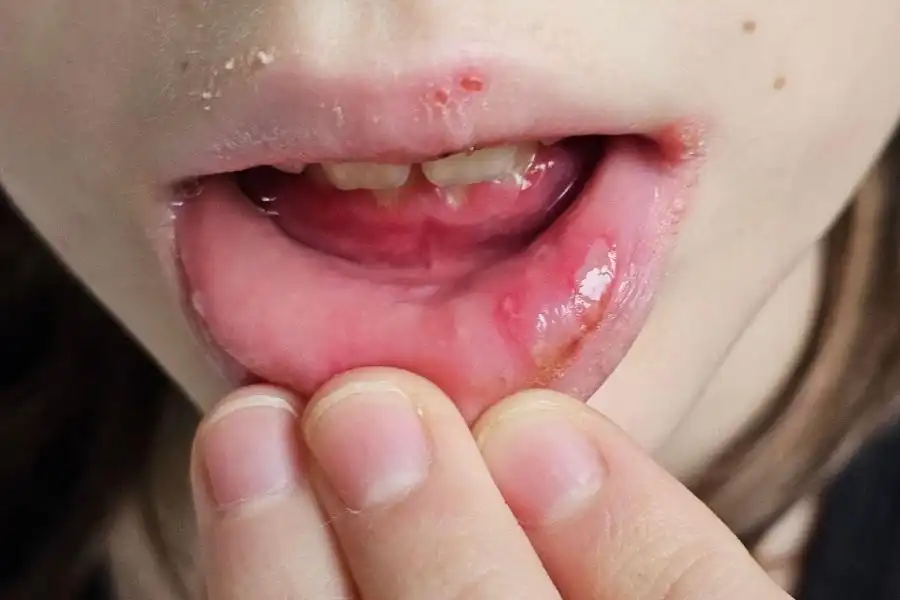
What Does Herpes in the Mouth Look Like?
Oral herpes is a common viral infection caused by HSV-1 that affects the lips, gums, tongue, and surrounding areas of the mouth. If you notice unusual sores, blisters, or irritation, it’s important to understand what herpes looks like so you can act early. Many people mistake herpes for simple mouth ulcers or irritation, which can delay proper care and increase the risk of spreading the virus.
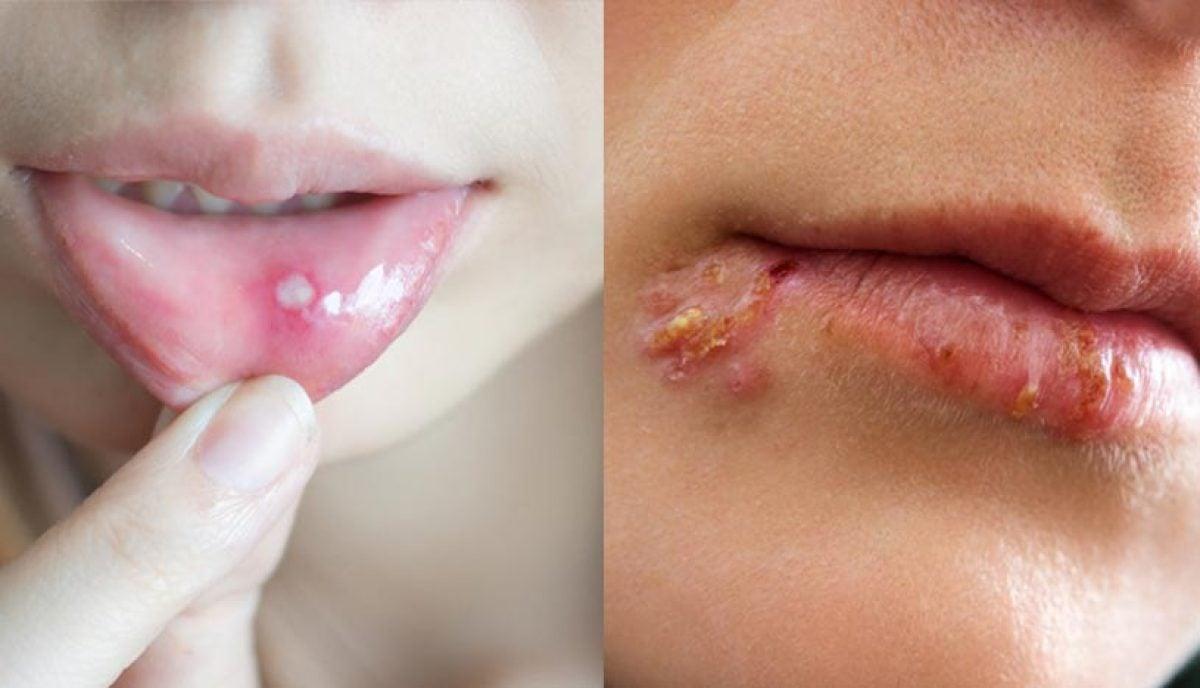
Herpes in the mouth typically appears as clusters of small, fluid-filled blisters that develop on or around the lips and sometimes inside the mouth. These blisters can break open, forming painful sores that may crust over (on the lips) or appear as ulcers (inside the mouth). Recognizing this pattern is key to identifying oral herpes.
Table of Contents
What Does Herpes in the Mouth Look Like
Stages of Oral Herpes
Symptoms to Watch For
Where Oral Herpes Appears
When to Go to a Lab for Testing
How Herpes Is Diagnosed
Treatment Options
When to See a Doctor
Frequently Asked Questions
Get Expert Help Today
What Does Herpes in the Mouth Look Like
Oral herpes often starts subtly before becoming clearly visible. Many patients first experience a tingling or burning sensation before any sore appears. As the infection progresses, the visual signs become more distinct.
Common signs include:
- Small, grouped blisters filled with clear or yellowish fluid
- Redness and swelling around the affected area
- Painful open sores after blisters rupture
- Crusting or scabbing on the lips
- Shallow ulcers inside the mouth (gums, cheeks, tongue)
What makes herpes unique is the cluster pattern of blisters and the tingling sensation before they appear. This early warning sign helps differentiate it from other mouth conditions.
Lab Testing for Oral Herpes
If you are unsure whether your symptoms are herpes or another oral condition, getting tested at a trusted lab can provide clarity and peace of mind. Professional lab testing ensures accurate diagnosis, especially during the early stages or first outbreak. At Auspicious Laboratory in Houston, patients can benefit from fast, confidential, and reliable STD testing services, with results typically available within 12–48 hours. Walk-ins are welcome, and testing is designed to be simple, quick, and discreet—helping you take control of your health without delays.
Stages of Oral Herpes
Oral herpes develops in a predictable cycle. Understanding each stage can help you recognize the infection early and reduce its severity with timely care.
1. Tingling / Prodrome Stage
This is the earliest phase, often before anything is visible.
- Tingling, itching, or burning sensation
- Mild swelling or sensitivity
- Area feels irritated or warm
2. Blister Formation Stage
Small blisters begin to appear in clusters.
- Fluid-filled bumps on lips or around mouth
- Pain or tenderness increases
- Area becomes more noticeable
3. Ulcer (Open Sore) Stage
Blisters break open and form sores.
- Raw, painful ulcers
- Oozing fluid
- Increased discomfort while eating or speaking
4. Healing Stage
The body begins to repair the area.
- Crusting or scabbing (on lips)
- Ulcers shrink and heal (inside mouth)
- Pain gradually decreases
NOTE: The full cycle usually lasts 7 to 14 days, depending on your immune response and treatment.
Symptoms to Watch For
Symptoms can vary, especially between first-time infections and recurring outbreaks. The first episode is often more severe and may include general illness symptoms.
Watch for:
- Tingling or burning before sores appear
- Painful blisters or ulcers in or around the mouth
- Swollen, red gums
- Fever or chills (especially first outbreak)
- Body aches or fatigue
- Difficulty eating, drinking, or swallowing
- Swollen lymph nodes
These symptoms may overlap with other oral issues, but recurrent clustered blisters strongly suggest herpes.
Where Oral Herpes Appears
Herpes can develop in multiple areas around and inside the mouth. The location often helps identify the condition.
Common locations include:
- Lips (most common)
- Edges or corners of the mouth
- Gums
- Tongue
- Inside cheeks
- Roof of the mouth
NOTE: Cold sores typically form outside the lips, while internal herpes may appear as painful ulcers but tends to recur in the same areas.
When to Go to a Lab for Testing
In many cases, oral herpes can be diagnosed based on appearance alone. However, lab testing for herpes is recommended in certain situations to confirm the diagnosis and rule out other conditions.
You should consider lab testing if:
- It is your first outbreak and symptoms are severe
- Sores do not heal within 2 weeks
- The diagnosis is unclear or unusual
- You have frequent or recurring outbreaks
- You have a weakened immune system
- Sores are spreading beyond the mouth
Lab testing options may include:
- Swab test (PCR test) – taken from the sore to detect the virus
- Viral culture – used in some cases to confirm infection
- Blood test – checks for HSV antibodies
NOTE: Early testing helps ensure accurate diagnosis and appropriate treatment.
How Herpes Is Diagnosed
Doctors usually diagnose oral herpes through a clinical evaluation. In most cases, the appearance of sores and symptom history are enough to confirm the condition.
Diagnosis may include:
- Physical examination of the affected area
- Review of symptoms and outbreak pattern
- Lab testing if needed (especially first-time or unclear cases)
Accurate diagnosis is important to distinguish herpes from conditions like canker sores or allergic reactions.
Treatment Options
While herpes has no permanent cure, treatment focuses on controlling symptoms and preventing outbreaks. Early treatment can significantly reduce discomfort and healing time.
Medications
- Antiviral drugs to shorten outbreaks
- Pain relief medications
Home Care
- Keep the area clean and dry
- Avoid touching or picking sores
- Use cold compress for pain relief
- Stay hydrated
Prevention Tips
- Avoid kissing or close contact during outbreaks
- Do not share utensils, towels, or lip products
- Manage stress and maintain strong immunity
When to See a Doctor
It’s important to seek medical care if symptoms become severe or unusual. Early intervention can prevent complications and improve recovery.
See a doctor if:
- Pain is severe or worsening
- Sores last longer than 2 weeks
- You experience frequent outbreaks
- You have difficulty eating or drinking
- Symptoms spread to eyes or other areas
Frequently Asked Questions
Is oral herpes contagious?
Yes, especially when sores are active. It spreads through direct contact.
Can herpes spread without visible sores?
Yes, the virus can spread even without symptoms.
How long does oral herpes last?
Typically 7–14 days.
Can herpes be cured?
No, but it can be effectively managed.
Get Expert Help Today
Recurring mouth sores or painful blisters should never be ignored. Early diagnosis, proper care, and timely treatment can reduce discomfort and prevent future outbreaks. If you are unsure whether your symptoms are herpes or another condition, getting tested and evaluated is the best step forward. Call now to speak with a healthcare provider or schedule your visit today. Same-day appointments may be available.
⚠️ Disclaimer
This content is for informational purposes only and should not be considered medical advice, diagnosis, or treatment. Always consult a qualified healthcare provider for personalized medical guidance. If you are experiencing severe symptoms, seek immediate medical attention.