

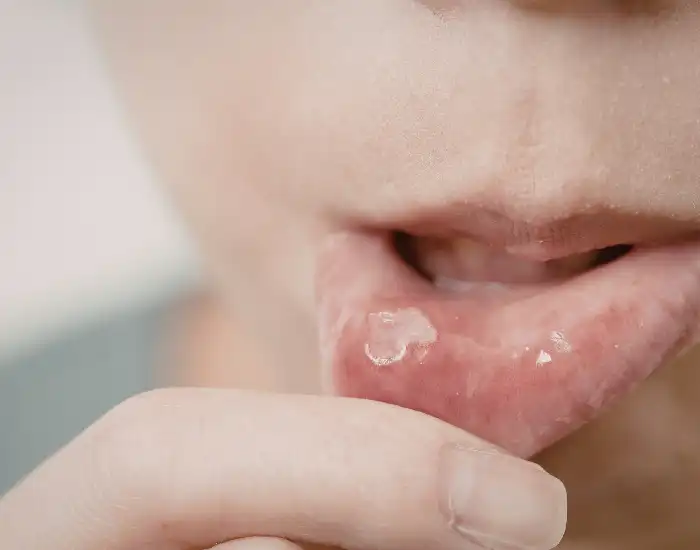
A sudden sore appears inside the mouth. It feels tender. Eating becomes uncomfortable. Soon after, concern sets in. Many people immediately search: what does mouth herpes look like?
The uncertainty can feel overwhelming. Is it a canker sore? A minor injury from biting the cheek? Or something contagious? Some individuals also wonder, what does lip herpes look like, especially if a blister forms near the mouth at the same time.
When symptoms affect a visible and sensitive area like the mouth, clear information matters. Understanding the appearance, progression, and diagnostic process helps patients move from anxiety to informed action.
What Does Mouth Herpes Look Like in Real Life?
When asking what does mouth herpes look like, most people expect one simple image. However, the appearance can vary depending on the stage of infection and whether it is a first outbreak or a recurrence.
Typically, mouth herpes may present as:
-
Small fluid-filled blisters inside the mouth
-
Painful shallow ulcers after blisters rupture
-
Red, inflamed surrounding tissue
-
Clusters of lesions rather than a single sore
-
Swollen or tender gums
Unlike common canker sores, herpes-related sores may begin as tiny blisters before turning into open ulcers.
In some cases, symptoms extend beyond the mouth and include fever, fatigue, or swollen lymph nodes. These systemic symptoms are more common during a first-time infection.
Early Warning Signs Before Sores Appear
Before visible lesions develop, many patients report a noticeable change in sensation.
Early symptoms may include:
-
Tingling inside the mouth
-
Burning or itching in a specific spot
-
Mild swelling
-
Increased sensitivity when brushing or eating
These sensations often precede visible sores by several hours or a day. Recognizing this early phase helps answer the question, what does mouth herpes look like in its earliest stage.
What Does Lip Herpes Look Like Compared to Mouth Herpes?
People frequently confuse mouth herpes with lip outbreaks. That leads to another common question: what does lip herpes look like?
Lip herpes usually appears:
-
Along the border of the lips
-
As grouped blisters filled with clear fluid
-
On a red, swollen base
-
Followed by crusting or scabbing
In contrast, mouth herpes tends to appear in these areas:
-
Inner cheeks
-
Gums
-
Roof of the mouth
-
Under the tongue
Because both forms involve herpes simplex virus, they share similar stages. However, internal lesions may not crust the same way external lip sores do.
Understanding what does lip herpes look like helps distinguish whether lesions are confined to the lips or present inside the mouth.
Stages of a Typical Outbreak
Herpes lesions usually progress in recognizable phases. Knowing these stages clarifies what does mouth herpes look like over time.
Prodrome
Tingling, itching, or burning begins.
Blister Formation
Small fluid-filled blisters develop.
Ulceration
Blisters rupture, leaving shallow open sores.
Healing
Lesions gradually resolve over 7 to 14 days.
During this period, discomfort may fluctuate. Eating acidic or salty foods may increase irritation.
When Symptoms Suggest a First-Time Infection
Initial infections sometimes cause more intense symptoms than recurrent outbreaks.
Possible signs include:
-
Multiple painful sores
-
Swollen gums
-
Fever
-
Body aches
-
Fatigue
-
Swollen lymph nodes
If these symptoms appear, laboratory confirmation can help establish a clear diagnosis. Facilities such as Auspicious Laboratory offer herpes simplex virus testing using PCR and antibody detection methods.
Accurate testing removes guesswork and confirms whether herpes simplex virus is responsible.
Why Visual Diagnosis Alone Is Not Always Enough
Many online searches provide images meant to answer what does mouth herpes look like. However, visual comparison has limitations.
Several conditions can resemble mouth herpes:
-
Canker sores
-
Oral thrush
-
Allergic reactions
-
Bacterial infections
-
Traumatic ulcers
Because these conditions require different management strategies, laboratory testing offers clarity.
Instead of assuming, confirmatory testing:
-
Detects viral DNA through PCR
-
Identifies antibodies through blood testing
-
Distinguishes herpes from other causes
Diagnostic laboratories such as Auspicious Laboratory follow standardized protocols to ensure accurate results.
What Does Lip Herpes Look Like During Recurrences?
Recurring outbreaks tend to follow a predictable pattern. Many patients notice the same location each time.
When asking again, what does lip herpes look like, common characteristics include:
-
Familiar tingling spot
-
Small cluster of blisters
-
Faster healing compared to first outbreaks
Recurrences often feel milder because the immune system recognizes the virus.
Understanding what does lip herpes look like during these episodes helps individuals identify patterns and seek testing if symptoms change unexpectedly.
Situations That Warrant Laboratory Testing
Although mild outbreaks may resolve on their own, certain situations call for diagnostic confirmation.
Testing is especially important if:
-
Sores last longer than two weeks
-
Lesions appear unusually severe
-
Symptoms extend into the throat
-
Diagnosis remains uncertain
-
Patient has a weakened immune system
-
Outbreaks occur frequently
If throat discomfort accompanies mouth sores, evaluation ensures that the infection has not spread.
By choosing laboratory confirmation, patients replace uncertainty with evidence-based answers.
How Herpes Testing Works
Understanding the testing process often reduces anxiety.
Common methods include:
PCR Swab Test
A healthcare professional gently swabs an active lesion. The laboratory then analyzes the sample for herpes simplex virus DNA.
Blood Test
A blood sample detects antibodies that indicate current or past infection.
PCR testing is particularly sensitive and helpful during active outbreaks.
Diagnostic facilities process these samples under controlled laboratory conditions, ensuring reliability and accuracy.
Emotional Impact and Reassurance
Visible mouth sores can affect confidence. Individuals may worry about stigma or transmission.
However, oral herpes is common. Millions of adults in the United States carry herpes simplex virus type 1, often without realizing it.
Clear information about what does mouth herpes look like reduces fear and encourages responsible health decisions.
Knowledge empowers individuals to:
-
Recognize symptoms early
-
Seek testing when appropriate
-
Take preventive measures
-
Communicate openly with healthcare providers
Prevention and Outbreak Management
Although the virus remains in the body, outbreaks can often be managed effectively.
Preventive steps include:
-
Managing stress
-
Avoiding excessive sun exposure
-
Maintaining strong immune health
-
Practicing good hygiene during active outbreaks
When antiviral medications are prescribed, early treatment can shorten the duration of symptoms.
Act Promptly
Immediate evaluation is recommended if:
-
Eye symptoms develop
-
Severe pain interferes with eating or drinking
-
High fever accompanies mouth sores
-
Lesions spread rapidly
In these cases, laboratory confirmation supports timely and appropriate care.
Final Thoughts
Asking what does mouth herpes look like is a responsible first step when unusual sores appear. Recognizing the stages, understanding differences between internal lesions and external lip outbreaks, and knowing what does lip herpes look like provide clarity.
However, when symptoms feel uncertain or atypical, laboratory testing offers the most reliable confirmation. Accurate results allow informed decisions and reduce unnecessary worry.
Visible mouth sores can feel alarming at first. Yet with proper evaluation and evidence-based testing, individuals gain reassurance and confidence in their next steps.
Medical Disclaimer: This content is provided for educational purposes only. It does not diagnose, treat, or replace professional medical advice. Anyone experiencing symptoms or health concerns should consult a qualified healthcare provider and seek appropriate laboratory testing for personalized evaluation.